DESCRIPTION:
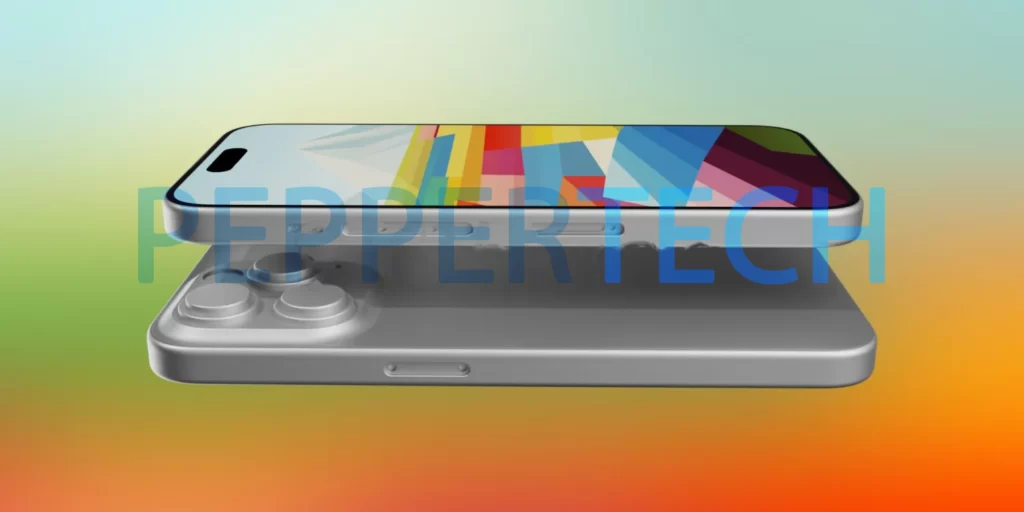
Based on a CAD model that a reputable case manufacturer and 3D Artist Respective Render Man Ian Zelbo sent to PepperTech, we have received exclusive renderings of the impending iPhone 15 Pro. The prototypes depict some substantial improvements to the look and functionality of Apple’s anticipated flagship smartphone for later this year.
Apple provides Asian firms working on phone covers with CAD files similar to those on which these renderings are based. This will guarantee that there are cases available when the gadget debuts.
The exact CAD in question originates from a Chinese manufacturer that appears to be the first to get these files. As having incorrect ones would be expensive for case designers and factories, CAD files have historically been exact to the finished item in terms of both size and design.
A big departure from Apple’s proprietary connection, which has been used on iPhones and the majority of Apple products since 2012, is the transfer from the Lightning port to USB-C, which is the most apparent shift.
This may be as a result of pressure from the European Union, which has pushed for a uniform charging protocol for all smartphones and gadgets. However, this could only apply to cords that have passed Apple’s MFi program’s testing for charging and data transmission rates.
The margins of the glass and metal frame have been curved, which is another alteration. A more smooth transition to the frame is made possible by the glass’s small curvature around the edges. The frame itself is also more curved than previously, mimicking the styling of the new M2 MacBook Air and the 14- and 16-inch MacBook Pros. This could improve the phone’s grip and reduce the likelihood of unintentional touches.
Even thicker than previously, the camera bulge on the rear suggests that Apple may have improved the camera system with additional sensors or lenses. Similar to the iPhone 14 Pro, the camera features three lenses and a LiDAR scanner organised in a square module. This generation’s camera lenses are thicker, which may indicate bigger picture sensors.
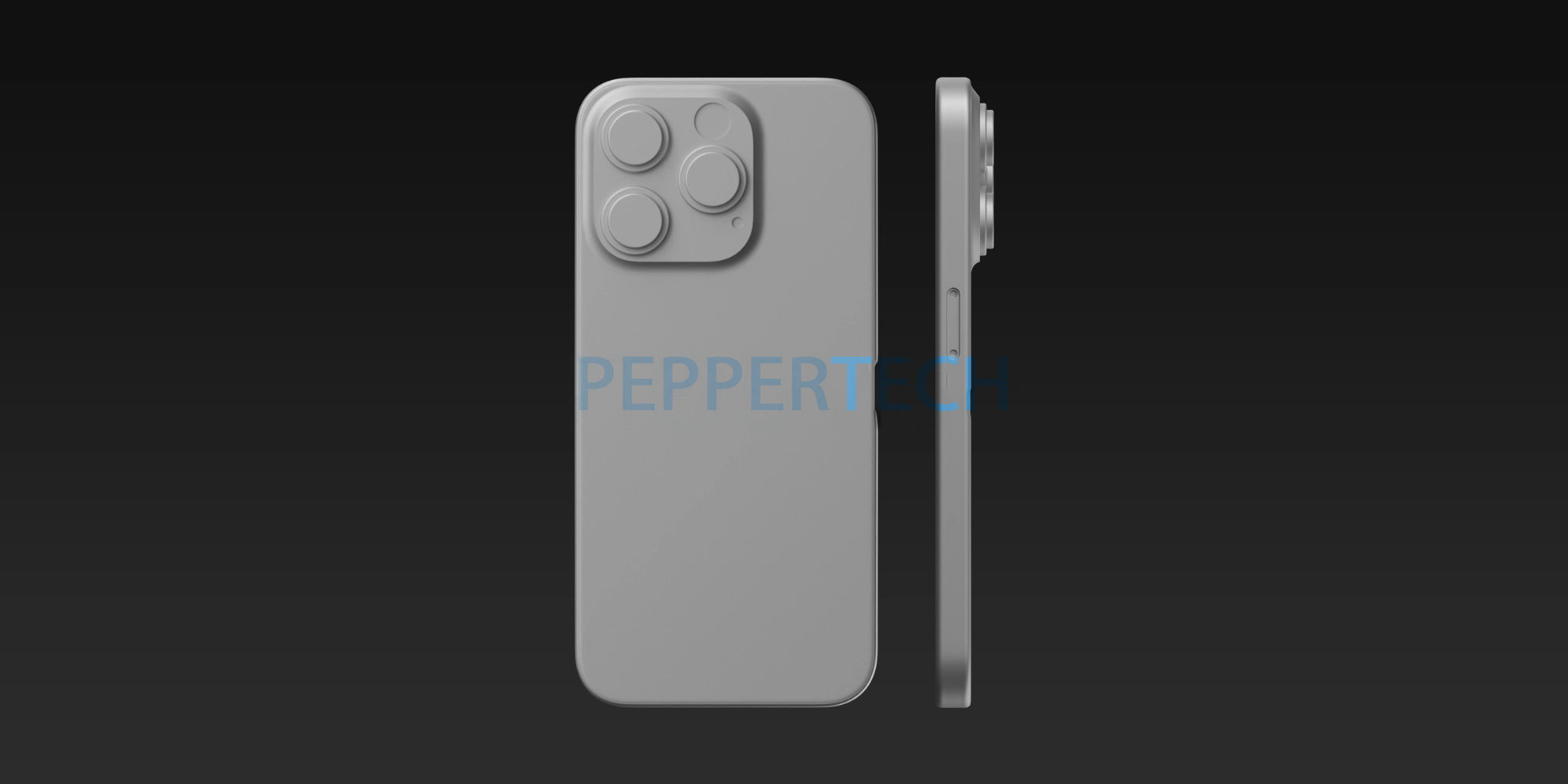
The volume sliders and mute buttons on the side of the phone have seen some adjustments. It has been speculated that the volume rockers are capacitive buttons rather than physical ones. Although we can’t say for sure based on the renderings, it appears extremely plausible. Along with the capacitive buttons, the mute switch has undergone some design changes, becoming smaller and rounder in appearance.
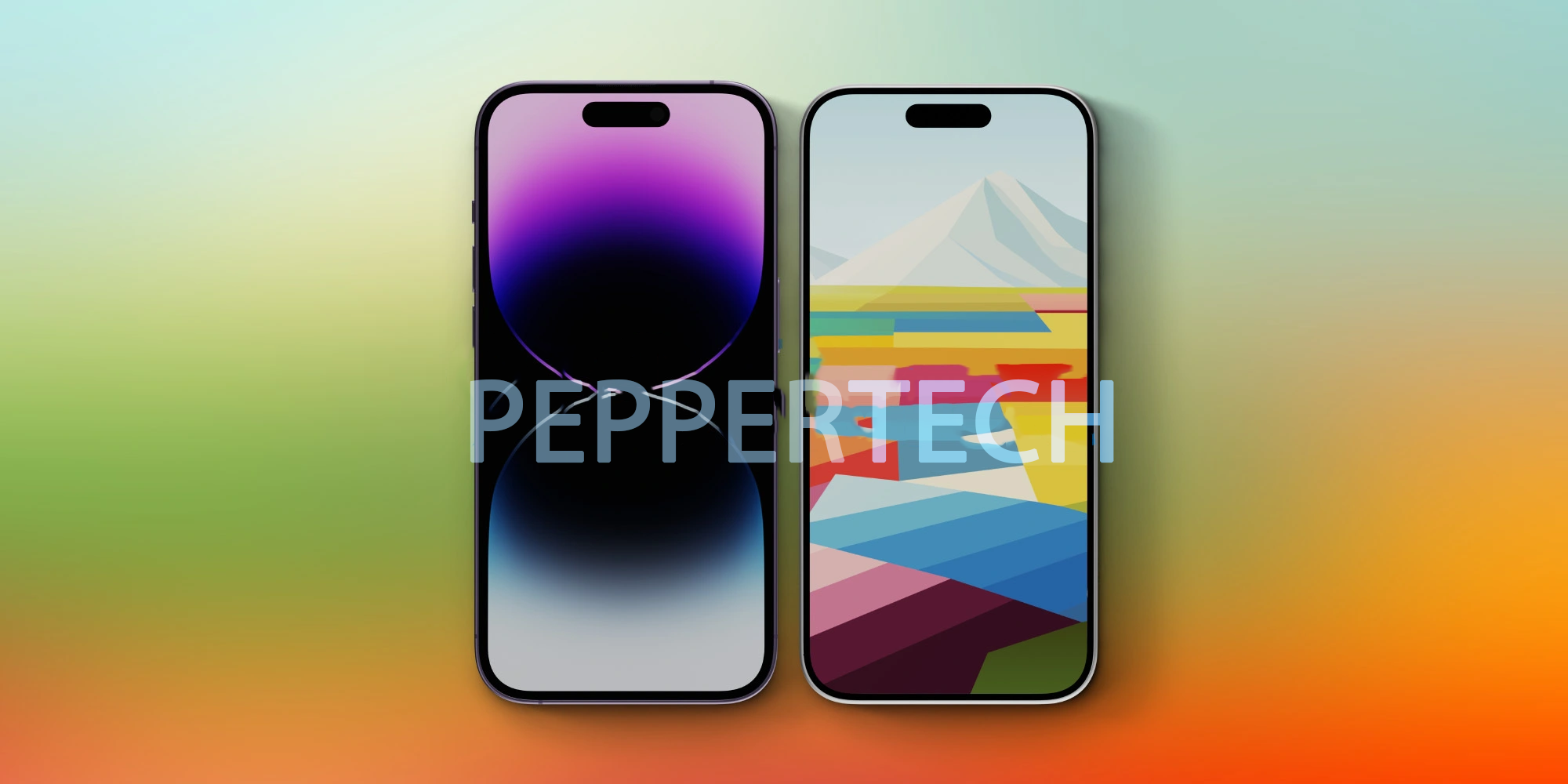
The iPhone 15 Pro’s resolution is not depicted in the renderings, but we anticipate it to be comparable to the iPhone 14 Pro. It’s possible that the same 6.1-inch display will be housed in a little smaller body because the device’s body is a few millimetres smaller and its bezel is narrower. The Dynamic Island is still there, and it resembles the iPhone 14 Pro in terms of size.
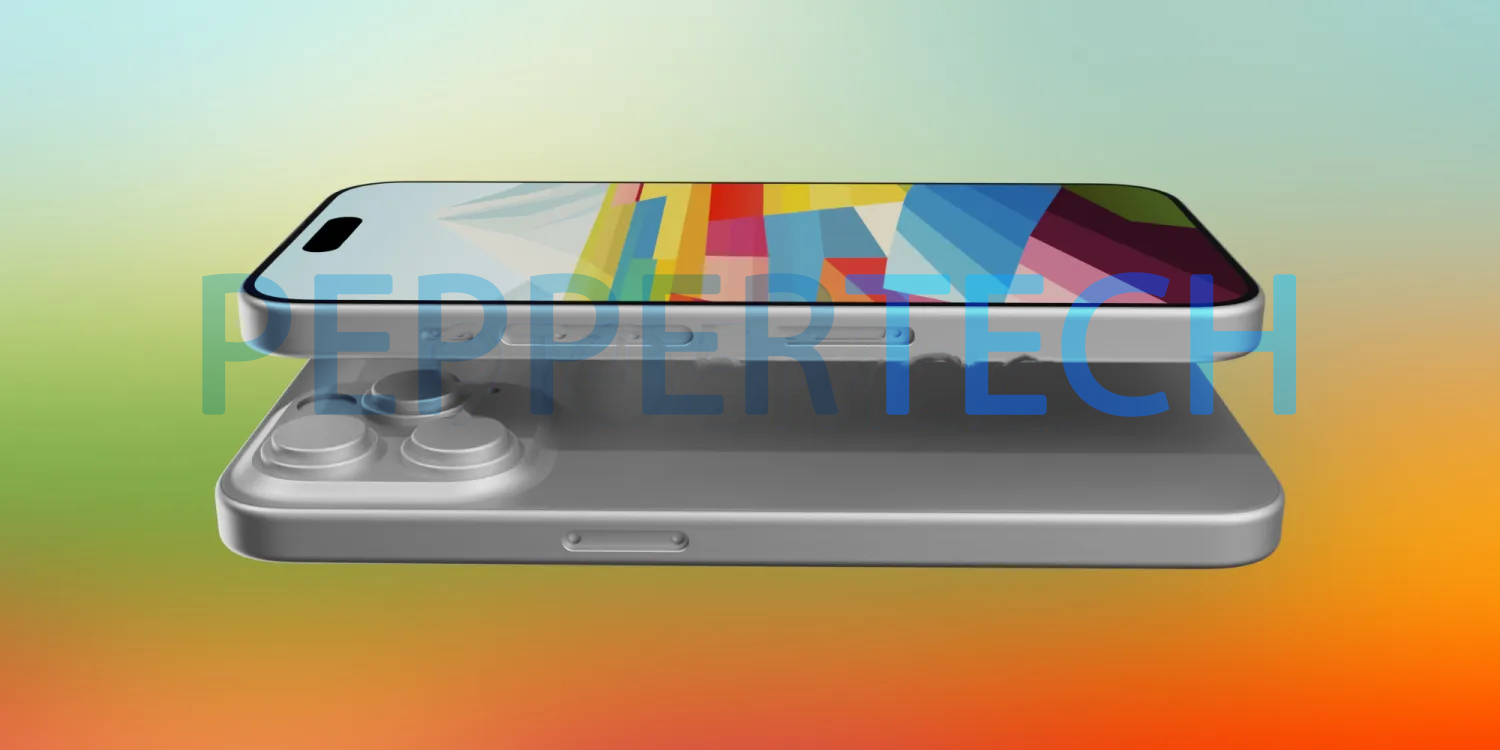
These renderings may not accurately depict every element of Apple’s final design because they are based on an early CAD model. They do, however, provide us with a general notion of what to anticipate from one of this year’s most anticipated smartphones and all of the significant modifications, such as a more comfortable frame and USB-C.