DESCRIPTION:
The Xiaomi 13 Pro, one of the most intriguing new Android smartphones in recent memory, was unveiled by Xiaomi at MWC 2023. In addition to phones, the business has been showcasing goods in a variety of other categories, such as robots, electric scooters, and a brand-new set of augmented reality glasses.
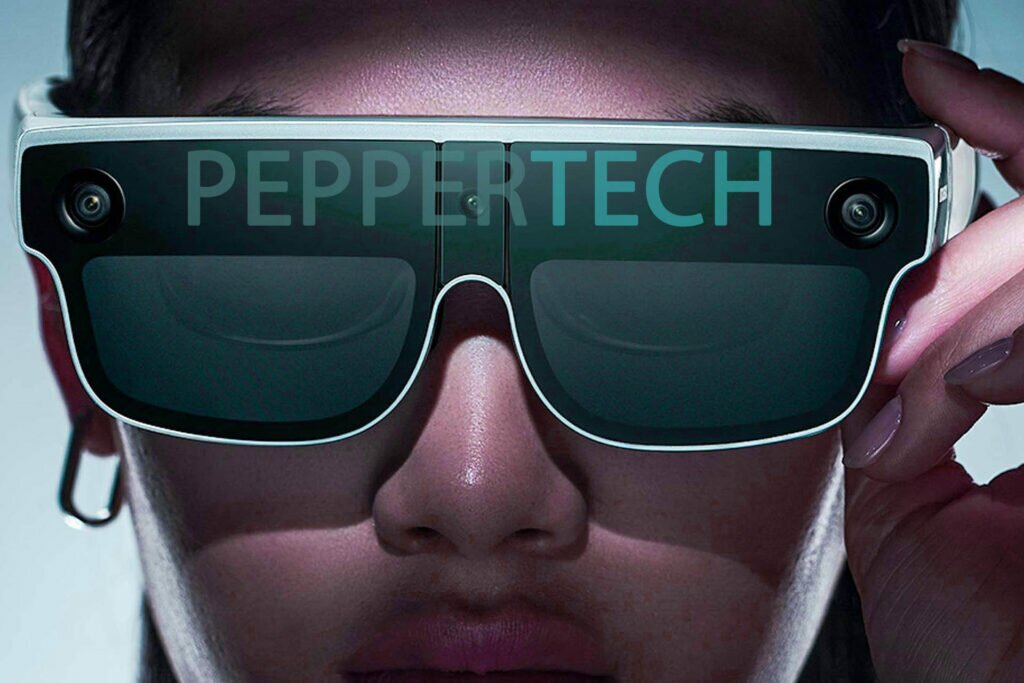
Although the Xiaomi Wireless AR Glass Exploration Edition is still some time away from commercialization, we got to view it in person. The glasses couldn’t be tried on by media representatives, but Xiaomi did show functional examples to Android Authority.
Users of the Xiaomi AR glasses won’t need to attach them to a computer or smartphone because they are entirely wireless. According to the business, it managed to lower latency to under 50ms between the linked smartphones and the glasses, which is comparable to cable connections and adequate for applications like AR gaming.

The glasses integrate with Qualcomm’s Snapdragon Spaces platform for XR apps and are powered by Qualcomm’s Snapdragon XR2 Gen 1 processor, which is also present in the Meta’s Quest Pro. Currently, only the new Xiaomi 13 series is compatible.
The glasses themselves have the appearance of large, ungainly sunglasses. The magnesium-lithium alloy and carbon fibre used in their construction help to keep their weight at 126g. In the limited time I spent with them, they appeared light enough, but continuous contact with them may wear you out.

The silver-colored body is paired with electrochromic lenses that can go dark to prevent light leaking in or can stay transparent for AR applications.
According to Xiaomi, the glasses’ 58 ppd (pixels per degree of visual field) density is so great that users won’t be able to distinguish individual pixels. Via two glass prisms, the pictures are projected in front of the user’s eyes after being created by a pair of microOLED displays.
A Xiaomi salesperson demonstrated an augmented reality (AR) game that added animations on top of real-world objects. Think about being able to use your phone as a controller to play a tower defence game on top of your kitchen table.

The potential of interacting with Xiaomi’s many smart home goods via its AR glasses piqued my attention more. The maker provided a few appealing examples, such the ability to “take” the picture from a TV screen and present it as a virtual display on the glasses or turning on and off a smart bulb with a gesture in the air. The user’s hand movements are tracked by the glasses, creating a variety of additional intriguing possibilities and offering a different kind of interaction with smart items outside of speech and touch.
The Xiaomi Wireless AR Glass Discovery Edition are an interesting new product, but we’ll have to wait and see how Xiaomi really manages to get them to market. The corporation has a reputation for tantalising customers with items that never materialise despite the ecosystem’s dizzying diversity.
Xiaomi has joined businesses such as TCL, Samsung, Lenovo, and others in researching the market for AR glasses. Because Apple is likely to release its own augmented reality device this year, we haven’t yet seen any items that are genuinely appealing. A successful introduction might spark an accelerated boom in head-mounted computing devices since the manufacturer of the iPhone has a history of introducing items that define whole categories.